
In high-pressure die casting (HPDC), precision isn’t just a goal—it’s a requirement. If you are sourcing parts for an automotive engine block, a motorcycle gearbox, or a complex drone component, you know that the final product’s quality starts long before the molten metal fills the mold.
It starts with one critical component: the Die Casting Shot Sleeve.
This guide provides a clear definition, explains the function, details the types, and analyzes common failures. Whether you are an engineer at a facility like Dongfeng Nissan or a procurement manager for a motorcycle manufacturer, understanding this part is key to optimizing your supply chain.
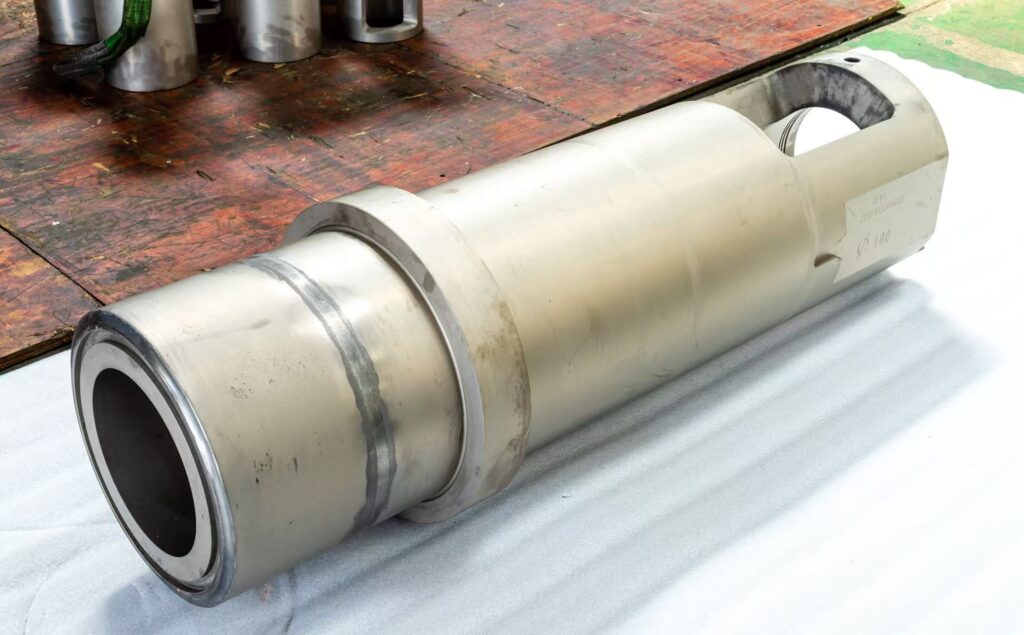
What Is a Die Casting Shot Sleeve? (Definition & Snippet Target)
To answer the core question directly and capture the Google Featured Snippet:
A Die Casting Shot Sleeve (also known as a Shot Tube or Plunger Sleeve) is a hardened, cylindrical steel tube that serves as the channel for molten metal to travel from the pouring basin into the die casting mold cavity under high pressure.
It works in conjunction with the plunger (or piston). Together, they form the “shot system.” When the plunger moves forward, it pressurizes the molten metal within the sleeve, forcing it through the sprue and into the die at velocities exceeding 100 m/s.
The Critical Function: Why Shot Sleeves Matter More Than You Think
Many buyers view the shot sleeve as a simple “pipe.” This is a costly mistake. The sleeve is the heartbeat of the HPDC process.
Its primary functions are:
- Containment: To safely hold the molten aluminum (or other alloy) before injection.
- Pressurization: To withstand extreme pressures (up to 150 MPa) without deforming.
- Thermal Management: To resist thermal shock from repeated contact with molten metal (650°C+).
A worn or low-quality sleeve causes immediate problems:
- Metal Leakage: Dangerous and costly spills.
- Poor Fill: Incomplete parts or porosity.
- Short Lifespan: Frequent downtime for replacement.
For industries like automotive engine manufacturing, where consistency is non-negotiable, the quality of the shot sleeve directly impacts the defect rate of the final engine component.
Types of Die Casting Shot Sleeves
Not all shot sleeves are created equal. The right choice depends on your machine, alloy, and production volume.
Based on Cooling Method
- Water-Cooled Sleeves: These have internal channels for water circulation. They offer superior thermal control and longer lifespan, making them ideal for high-volume production (e.g., automotive plants).
- Air-Cooled / Standard Sleeves: Used for lower-tonnage machines or less demanding alloys.
Based on Connection Type
- Flanged Sleeves: Feature a mounting flange for secure attachment to the die casting machine.
- Threaded Sleeves: Use threads for connection.
Common Shot Sleeve Failures: Causes & Prevention
Understanding why sleeves fail helps you source better ones. Here are the top 3 failure modes we see at cshmetal.com when reviewing customer drawings.
| Failure Mode | Visual Symptom | Primary Cause | Prevention Strategy |
|---|---|---|---|
| Thermal Cracking | Hairline cracks on the inner surface. | Extreme temperature fluctuation & poor steel quality. | Use premium H13 tool steel with proper heat treatment. |
| Erosion / Washout | Pitting or grooves inside the bore. | High-velocity metal flow & abrasive alloys. | Optimize sleeve geometry; use nitriding surface treatment. |
| Distortion | Sleeve becomes oval or bent. | Excessive injection pressure or improper installation. | Ensure correct material hardness (typically HRC 46-50). |
How to Source a High-Quality Replacement Shot Sleeve
Since shot sleeves are custom components based on precise drawings, your supplier must be more than just a machinist. They need to understand the physics of die casting.
When sourcing for your factory (whether producing engines, motorcycles, or drones), look for these supplier capabilities:
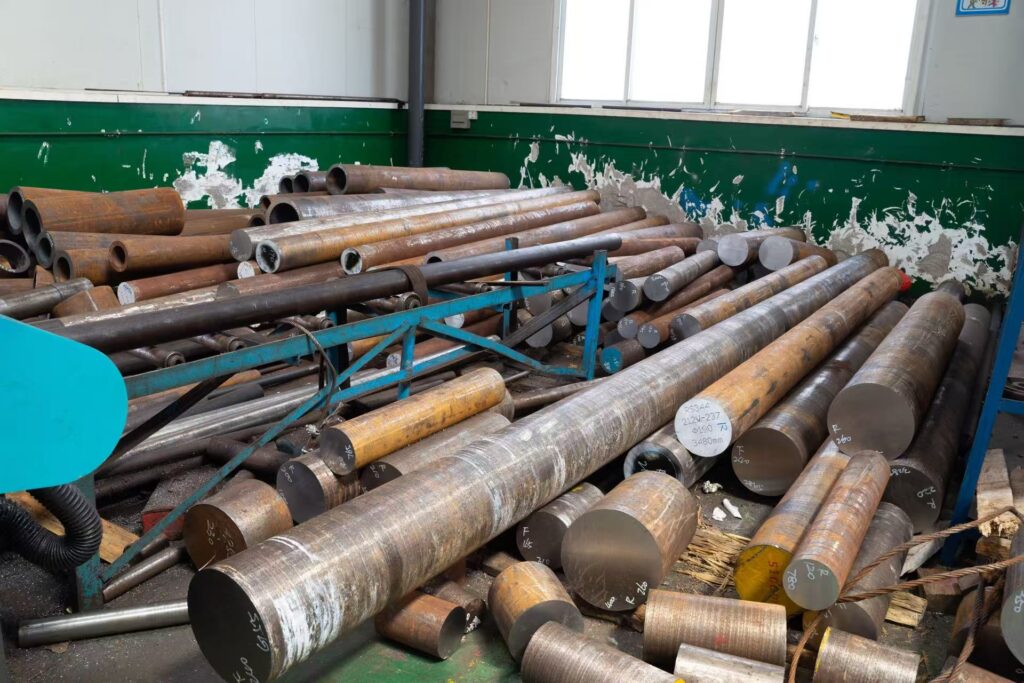
- Material Expertise: Do they use certified H13 (1.2344) ESR steel?
- Heat Treatment: Can they provide proof of vacuum heat treatment and hardness testing?
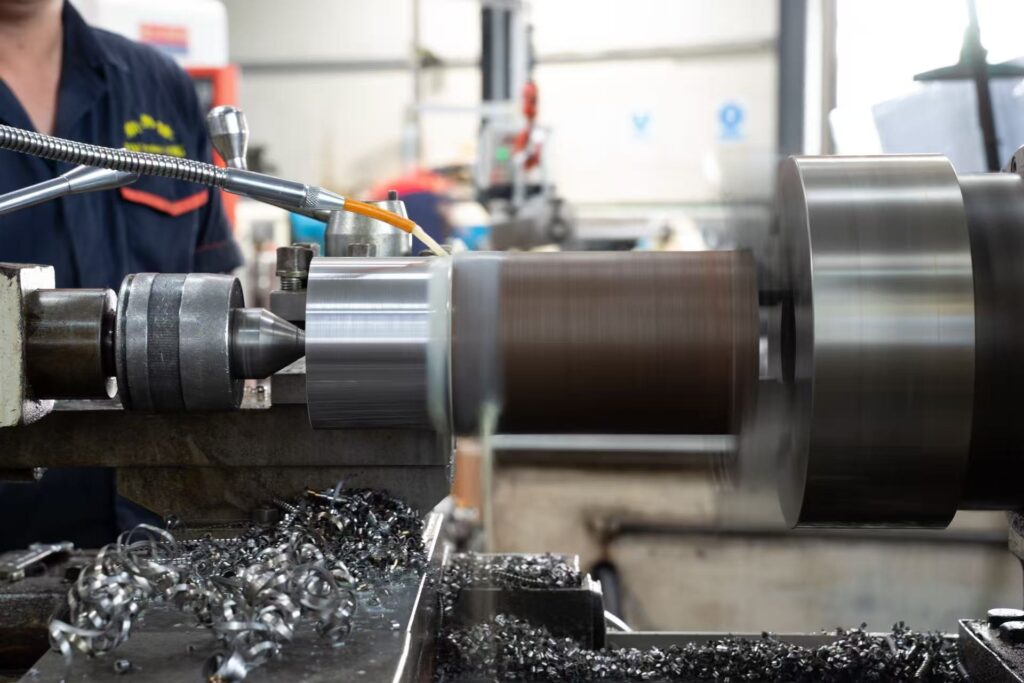
- Precision Machining: Can they hold tolerances to ±0.01mm?
- Surface Finish: Can they achieve a mirror-like bore finish (Ra < 0.8μm)?
At CSH Metal, we specialize in providing custom shot sleeves for the world’s most demanding die casting operations. We work directly from your CAD drawings to produce sleeves that match or exceed OEM specifications.
Frequently Asked Questions (FAQ)
Q: How long does a typical shot sleeve last?
A: Lifespan varies dramatically. A standard sleeve might last 30,000 shots, while a premium, water-cooled, H13 sleeve in a well-maintained system can last over 100,000 shots.
Q: Can I repair a cracked shot sleeve?
A: No. Due to the extreme pressures involved, a cracked sleeve is a safety hazard and must be replaced immediately.
Q: What information do I need to get a quote?
A: You need a technical drawing (2D/3D), the required quantity, and the desired material (usually H13).
Ready to Upgrade Your Die Casting Efficiency?
A high-quality shot sleeve reduces downtime, improves part quality, and lowers your total cost per shot. If you are looking for a reliable partner for your next production run, let our experts review your specifications.
© 2026 CSH Metal. All rights reserved.