
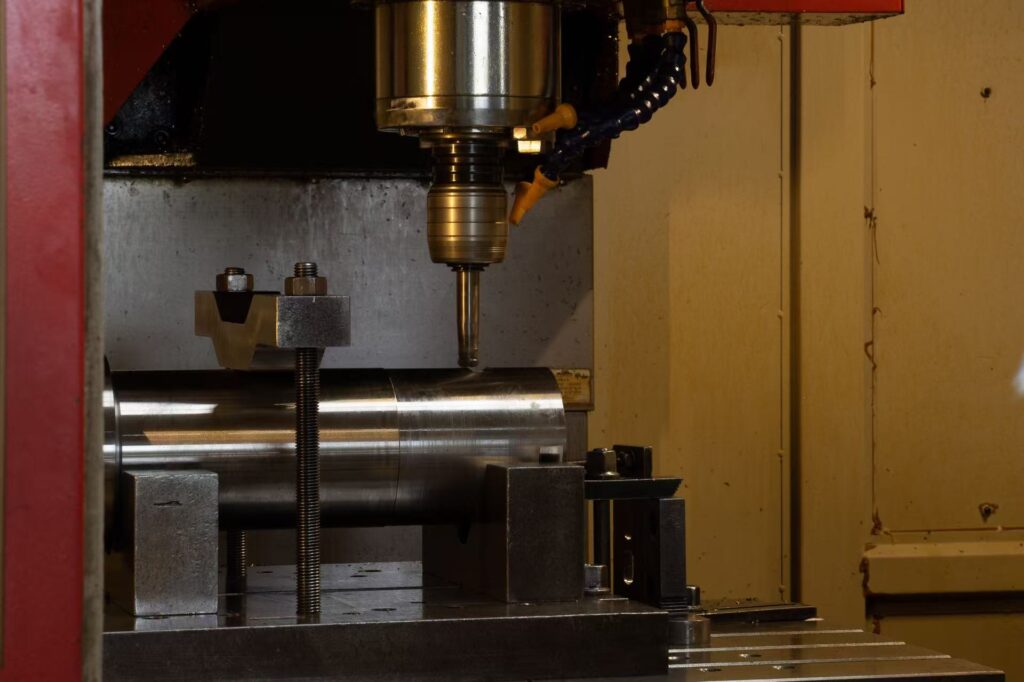
Magnesium alloy shot sleeves are a relatively new but increasingly critical component in high-pressure die casting (HPDC). As more automotive, motorcycle, UAV, and electronics manufacturers adopt magnesium alloys for lightweighting, the demands on the shot sleeve itself are changing.
This guide explains what a magnesium alloy shot sleeve is, why it matters, and how to choose the right one for your project.
What Is a Magnesium Alloy Shot Sleeve?
To capture the Featured Snippet, here is the core definition:
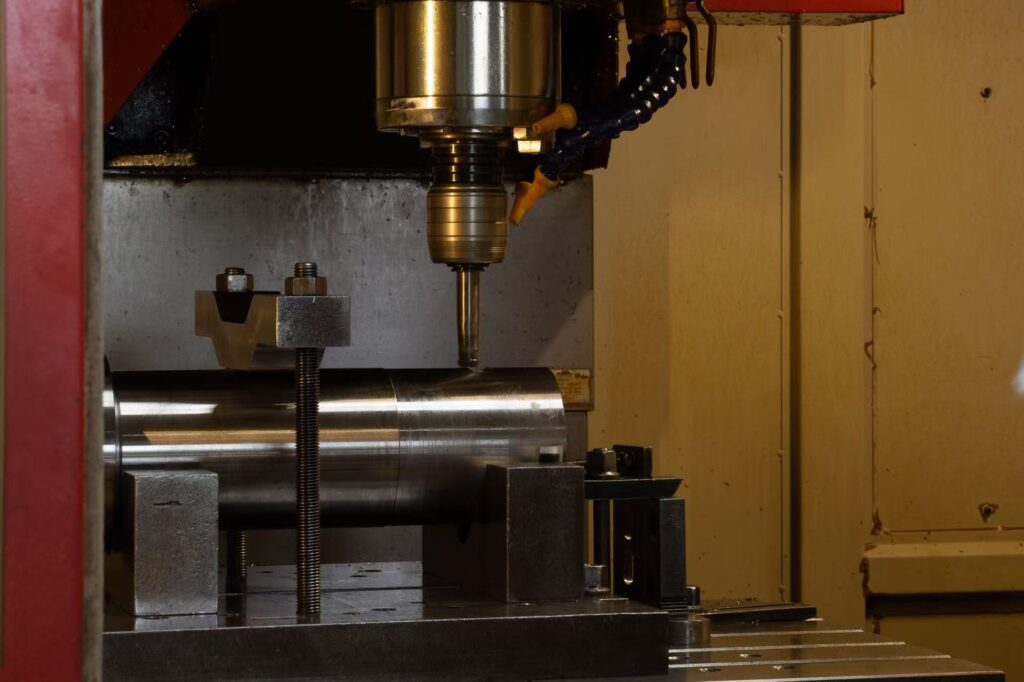
A Magnesium Alloy Shot Sleeve is a hardened steel tube, lined or made from specialized alloys, that serves as the pressure-tight chamber for injecting molten magnesium alloy into a die casting mold.
It works with the plunger to form the “shot system.” During each cycle, the plunger pushes the molten magnesium from the sleeve into the mold cavity at high speed and pressure.
Why Use a Magnesium Alloy Shot Sleeve?
Standard steel sleeves are designed for aluminum. Magnesium, being more reactive and having different thermal properties, requires a more specialized approach.
1. Matching the Alloy’s Reactivity
Molten magnesium is highly reactive and flammable. A magnesium-specific shot sleeve is designed to:
- Minimize direct contact with the molten alloy.
- Withstand higher operating temperatures.
- Integrate with safety systems for melt protection.
2. Controlling Solidification & Microstructure
Research shows that the “pre-solidification” of magnesium alloy in the shot sleeve can significantly affect the final casting’s quality. A well-designed sleeve helps control this to reduce defects like cold shuts and porosity.
3. Extending Tool Life Under Harsh Conditions
Magnesium’s high-temperature cycling and chemical activity can lead to rapid wear, cracking, and erosion in a standard steel sleeve. A purpose-built magnesium alloy shot sleeve offers superior resistance, extending service life and improving part consistency.
Key Design & Material Considerations
When sourcing a magnesium alloy shot sleeve, pay close attention to these factors:
1. Alloy & Coating
- Liner Material: Often made from specialized alloys or treated steels that can withstand the magnesium melt and thermal cycling.
- Protective Coatings: Options include nitriding, chrome plating, or other coatings to enhance wear and corrosion resistance.
2. Cooling & Safety
- Cooling Design: Optimized internal or external cooling channels are crucial to manage the high heat.
- Safety Integration: The design must work seamlessly with the machine’s safety systems for handling molten magnesium, following standards like GB 26488.
3. Dimensional Accuracy
Tight tolerances are non-negotiable. A high-quality sleeve ensures:
- Precise fit with the machine and plunger.
- Consistent shot volume and pressure.
- Reduced flash and defects in the final casting.
Common Failure Modes & Prevention
Understanding failure modes helps in selecting a robust supplier.
| Failure Mode | Likely Cause | Prevention Strategy |
|---|---|---|
| Thermal Cracking | Rapid temperature changes and high cycling stress. | Use high-quality, properly heat-treated steel with optimized cooling. |
| Erosion / Washout | High-velocity magnesium flow and chemical interaction. | Optimize internal geometry and apply advanced surface coatings. |
| Deformation | Excessive pressure or poor installation. | Ensure correct material hardness and precise machining tolerances. |
How to Choose a Magnesium Alloy Shot Sleeve Manufacturer
For projects like automotive engine components or UAV parts, your supplier must be a technical partner. Look for these capabilities:
- Proven Experience: Ask for case studies or data on sleeves used for AE44, AZ91D, or AM60 magnesium alloys.
- Design & Simulation Support: Suppliers should be able to review your part and process to recommend optimal sleeve specs.
- Material Traceability: Certificates for steel, nitriding, and coating processes are essential for quality control.
- Compliance & Safety: Ensure the supplier understands and can support relevant safety and quality standards.
At CSH Metal, we design and manufacture custom magnesium alloy shot sleeves for demanding HPDC projects. We work from your drawings to deliver solutions that improve casting quality and extend tool life.
Frequently Asked Questions (FAQ)
Q: Can I use a standard aluminum shot sleeve for magnesium?
A: It is not recommended. The different reactivity and thermal profile of magnesium can lead to rapid failure and safety risks. A dedicated magnesium shot sleeve is the correct choice.
Q: How does a magnesium shot sleeve improve casting quality?
A: By controlling pre-solidification and thermal conditions in the sleeve, it promotes a more uniform microstructure in the casting, reducing porosity and improving mechanical properties.
Q: What information do I need to get a quote?
A: Please provide your part drawing, alloy type (e.g., AZ91D), machine tonnage, expected cycle time, and annual volume.
Ready to Optimize Your Magnesium Die Casting Process?
Upgrading to a high-performance magnesium alloy shot sleeve can improve part quality, reduce downtime, and lower your total cost per shot.