
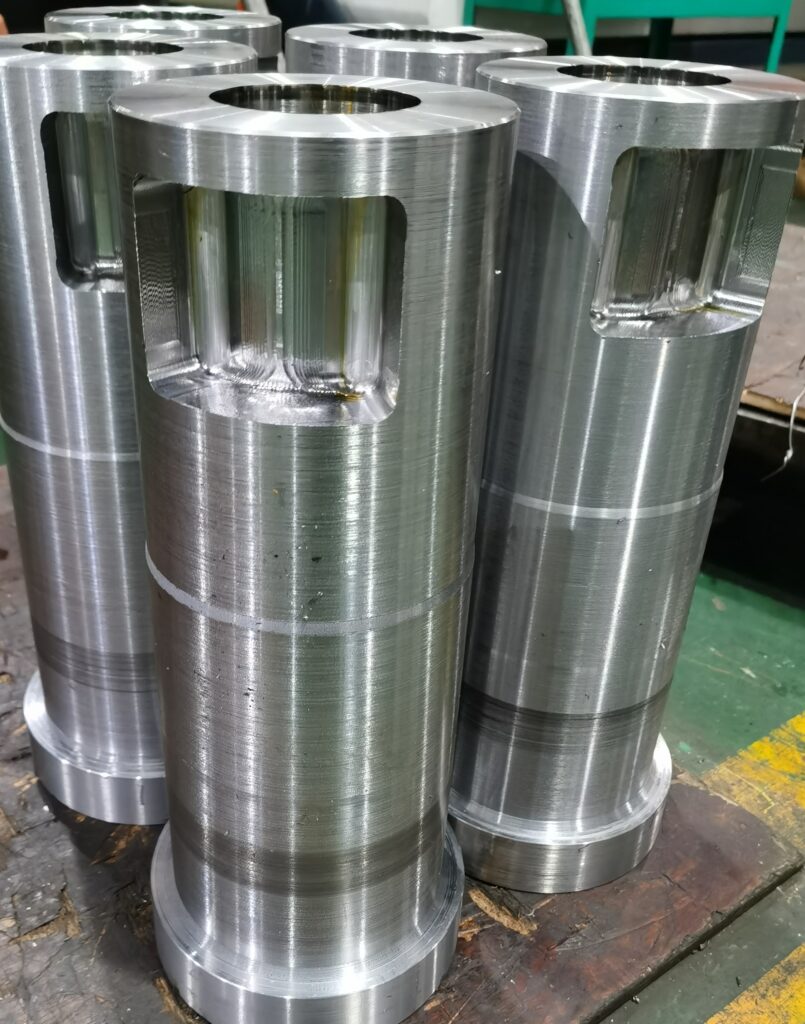
A shot sleeve is the interface between the dosing system and the die-casting machine injection unit. Its condition affects repeatability, sealing and the movement of the plunger tip. Selecting or replacing one therefore starts with the machine, the drawing and the actual process—not with a generic catalogue claim.
n
Information manufacturers should define before requesting a quote
n
- Die-casting machine manufacturer, model and application.
- Part drawing, revision and required interfaces.
- Alloy being cast and relevant process conditions.
- Plunger-tip and rod interface details.
- Lubrication, cooling and installation arrangement.
- Required inspection records or material documentation.
n
If a drawing is unavailable, photographs and measured interface dimensions can support an initial review, but final manufacture should be based on an approved technical definition.
n
Common observations during inspection
n
Operators commonly monitor scoring, local wear, heat-related cracking, loss of sealing, abnormal plunger movement and evidence of misalignment. These symptoms can have more than one cause, so the sleeve, plunger tip, lubrication and alignment should be reviewed as a system.
n
Replacement and sourcing checklist
n
- Confirm the latest drawing revision and machine interface.
- Identify the requested material and surface-treatment requirement from approved records.
- Define the dimensions and inspection characteristics that are critical to assembly.
- Agree what material certificates and inspection results must accompany the order.
- Confirm sample quantity, batch quantity, packaging and delivery expectations.
n
CSH Metal supplies shot-sleeve components to customer drawings. See the Shot Sleeve product range or send the relevant drawing for a manufacturability and quotation review.
n
Request a drawing review
Upload your approved PDF or CAD drawing together with the machine model, expected quantity and technical requirements.